Showing posts with label Antioxidants. Show all posts

Thursday, October 11, 2012

CC CREAM: Color Control BB Cream


CC Creams


It seems like only yesterday the BB Cream craze kicked off in the whole world. Now we are ahead of cosmetic curve, as CC Creams are barreling towards the beauty market. I wonder if they're already working on DD and EE creams too...

CC (color control/color correction) cream is basically a souped-up version of its blemish (or beauty) balm predecessor. In addition to being an all-in-one miracle in a tube, the CC variation is said to be a bit more nourishing and of a lighter, fluffier texture that provides better coverage and a higher SPF component.


CC creams are said to be all-in-one complexion perfectors that function as both a skin-care product and makeup. 

What makes CC different than BB is that they are said to provide more coverage, as well as the addition of even more skin-nourishing ingredients. So, BB creams with superpowers!!!!


While the CC cream phenomenon is still in its infancy, Olay won the metaphorical race and launched the first one in the United States this October. And I think it's safe to assume that many companies will be following suit and coming out with their own CC creams in 2013.


While most BB creams fall midway between tinted moisturizers and foundations on the coverage spectrum, CC creams vary dramatically. Some, like the Olay Total Effects CC Tone Correcting UV Moisturizer, $21.50, are more like souped-up tinted primers to wear under your usual foundation. However, some of the CCs in Asia, like the Rachel K CC cream, will give you more coverage than a BB cream.


The Olay CC cream targets hyperpigmentation, wrinkles, and blotchiness, and claims long-term spot-diminishing benefits. Many of the CC creams from Asia are packed with antioxidants like white tea and green tea, and the Rachel K version even has epidermal growth factor, which stimulates collagen production by speeding up your skin's natural exfoliation.


New Generation Makeup and Skin Care Product in one!!!


Monday, September 24, 2012

Retinoids, Vitamin C and Glycolic Acid: How to Combine Anti-aging Products


Combining Different Antiaging Products


Tretinoin (retinoic acid) and Glycolic acid (AHA) are both powerful anti-aging skin care ingredients that make very noticeable improvements in the appearance of the skin by:
  • Lighten age spots
  • Smooth and exfoliate the skin giving it a more luminous character
  • Work to reverse wrinkles by building new collagen just underneath the surface of the skin.

The ultimate anti aging skin care product combination is to use both of these and throw in a strong professional level vitamin C product every 4th day. Each of these ingredients works to rejuvenate the skin by a different mechanism, and thus combination therapy yields more age reversal that using just one alone.


Unfortunately, all these highly effective anti-aging ingredients are irritating.  Only people with really tolerant skin can combine tretinoin and glycolic acid therapy.  People with sensitive skin  have to pick either tretinoin OR glycolic acid.  People who can’t tolerate using tretinoin with glycolic acid can sometimes tolerate using just one of these ingredient with a topical vitamin C product.  This is because the vitamin C is not exfoliating.  Vitamin C is, however, irritating to exfoliated skin so it is still a little tricky.


The reason that it’s tricky to combine these wonderful and effective anti aging ingredients is that the glycolic acid and the tretinoin are both very exfoliating.  Exfoliated skin has a more refined and luminous appearance, but also  absorbs things faster.  Because the glycolic acid and the vitamin C both have an acid pH, they can be irritating to exfoliated skin.  In addition, tretinoin causes a ‘break in’ rash when a person first starts using it.  The skin adjusts in about a month and the rash typically goes away, but skin with retinoid rash gets really irritated from the acid pH of the glycolic acid or the vitamin C products.


GOLDEN TIP

When people want to try to combine anti-aging home therapy, the best way is to start on the tretinoin at night for at least 2 months. When the skin has adjusted to the tretinoin, add professional level glycolic acid during the day.
When the combination is tolerated and can be applied every day, then throw in the vitamin c serum.

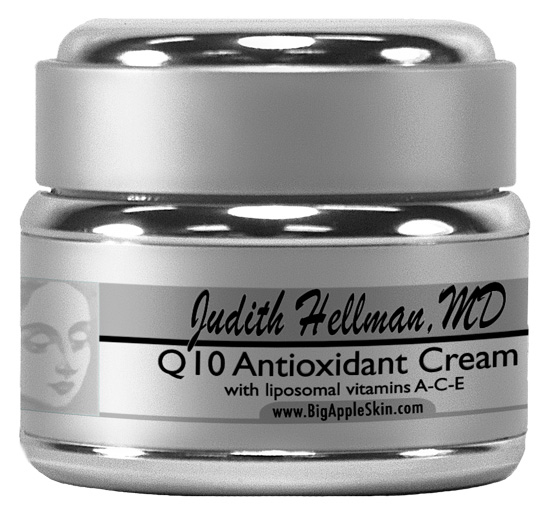
To help the skin tolerate this powerful anti aging treatment, it is better to add an antioxidant cream.
Antioxidant Creams


Of course, any exfoliating anti aging treatment means that a person MUST wear a 5% or more microsized zinc oxide sunscreen every day, all year, regardless of their planned activities.  Because exfoliated skin allows more damaging sun rays to enter the skin, it is better to wear hat and try to keep the face out of direct sunlight as much as possible.  This is important for skin cancer prevention, and it’s also critical for "anti-aging skin rejuvenation" to be effective.


The combo anti-aging skincare regimen is:

Morning
  1. Wash with a gentle cleanser 
  2. Hydrating Antioxidant cream
  3. Glycolic acid product or vitamin c serum
  4. Moisturizer if needed (eg. A Daily Moisturizing Face Cream)
  5. Sunscreen
Night time
  1. Wash with a gentle cleanser as above
  2. Hydrating Antioxidant Cream
  3. Daily Moisturizing Face Cream of choice if needed
  4. Wait 15 minutes then Tretinoin (begin every 3rd night and gradually work up to every night)


If a person cannot tolerate both tretinoin and glycolic home therapy, then they can combine tretinoin at night, Vitamin C Serum during the day and have occasional glycolic acid peels done carefully by a skin care professional.  


WARNING: The exfoliation achieved with tretinoin makes the peels tricky and the skin care professional needs to be experienced with this situation.  The risk is that the peel may be go too deep and injure the skin, potentially causing scarring.  


Monday, September 10, 2012

ANTIAGING SKIN CARE PRODUCTS


ANTI-AGING SKIN CARE PRODUCTS


Wrinkles and fine lines are two of the most common skin-aging indicators. You may choose to use anti-aging skin care products on older skin that is already showing signs of age, or you can use them early on to prevent deep lines and wrinkles from occurring. 


Some of the most natural anti-aging skin solutions can be made at home with simple ingredients found in the kitchen. For centuries, women have used natural products to reduce the appearance of aging from their faces. If you are interested in natural anti-aging recipes of natural oils, you will find them in my posts titled "Antiaging:Carrier Oils and Essential Oils".

Here you will find natural remedies other than natural oils:

Natural Remedies for Antiaging
 
1. MILK

Natural products are ideal to use on the skin since they contain no harsh chemicals or preservatives. As the skin ages, the production of collagen and elastin reduces, causing wrinkles and fine lines. Natural ingredients help to produce collagen, thus reducing aging effects.

Milk's antiaging properties
One natural ingredient that works to reduce the appearance of wrinkles and hydrates the skin is milk. To moisturize the skin, massage milk into the face and neck morning and night. Milk contains lactic acid, one of the major types of alpha hydroxy acids. Alpha hydroxy acids remove dead skin cells from the surface of the face, leaving it moisturized and producing new collagen and elastin. Lactic acid is also helpful in evening out skin pigmentation and texture, including dark age spots.

2. EGG WHITE

One of the most popular beauty treatments in anti-aging skincare is the use of egg whites. Protein in egg whites helps to constrict the top layer of skin cells, leaving it firm and smooth. Many individuals use egg whites around their eyes, most frequently to reduce the effects of fine lines and wrinkles known as “crow’s-feet.”


To use, crack open a single egg and discard the yolk. Beat the egg white until it foams and apply it on the outside of the eyes and allow to dry. Rinse off with warm water and add a thick eye cream to the area with lines and wrinkles.

3. FRESH CITRUS JUICE(vitamin c)

Vitamin C (ascorbic acid) is good for the body both inside and out. Citrus fruits such as lemons and oranges contain vitamin C, which works as an antioxidant against free radicals that cause skin damage such as lines or wrinkles. It also works to stimulate new production of collagen, leaving skin fresh and rejuvenated. Vitamin C also protects the skin from harmful UVB and UVA rays, which lead to dark age spots and redness in the skin.


Lemon Juice and Creamy Milk
Fresh citrus juice can be applied directly to the skin, however due to the acidity, mixing it with a creamy milk can make it safer to apply. Mix the juice of one fruit with 1/2 a cup of milk cream and apply it to the face, allowing it to dry. Rinse off with warm water and apply a thick face cream to seal in moisture.


ANTIAGING SKINCARE PRODUCTS


There are loads of over the counter anti-aging skin care products in the market. There are a wide variety of skin care treatments that you could choose from. Creams, lotions, topical creams are available over-the-counter. Topical creams are applied directly to the outer layer of the skin to counteract the damage done over the years and act on the outer layer of the skin to reduce noticeable signs of aging. For those who want quick results and needs more intensive treatment that will act on deeper layers of skin, laser therapy and injections can be administered by a trained professional. 

Among the anti-aging skin care products available in the market today, topical creams have the most number of ingredients that have shown promise for diminishing signs of aging in skin. Free radicals in the skin cells that cause damage by the particles can be treated by antioxidants, including Vitamin E, Vitamin C, retinol, and CoQ10. Other well known ingredients in topical anti-aging products are DMAE, alpha hydroxy acids (AHAs), hyaluronic acids, and peptides.

It's never too young to apply antiaging creams


Professional Antiaging Skin Care


Professional skin care treatments require more than just applying topical creams or lotion to the skin. If you want to resurface the skin, microdermabrasion and glycolic acids peel are available at many spas and salons. But a milder version of these products can be bought over the counter in drugstore and beauty stores. Another popular method is the Fraxel laser treatment that penetrates deep into the skin to combat aging damage within.
You have several options when it comes to anti aging skin care treatment. Some may not work as immediately as they promise but in the long run you will notice which is best suited for your case. Professional advice may be sought if needed.


My Best Over-The-Counter Antiaging Skin Care Products


1.Best Antiaging Day Cream:Olay Definity Deep Penetrating Foaming UV Moisturizer SPF 15 (Price:$28)
 
2.Best Antiaging Night Cream: Vichy LiftActiv Retinol HA Night (Price:$42) 

3.Best Antiaging Face Serum:Boots No7 Protect & Perfect Intense Beauty Serum (Price:$23)

4.Best Antiaging Eye Cream: Olay Pro-X Eye Restoration Complex (Price:$42) 

5. Best Antiaging Body Lotion: Olay Body Quench Plus Age Defying Body Lotion (Price:$8)

6. Best Antiaging Hand Cream:Boots No7 Protect & Perfect Hand Cream SPF 15 (Price:$14)

7.Best Antiaging Peel:Boots No7 Advanced Renewal Anti-ageing Glycolic Peel Kit (Price:$25)


Tuesday, August 28, 2012

Healthy Skin: What Your Skin Needs

SKIN CARE


Our skin is the outer most protective layer of our body and is a very sturdy layer. However, there are a few necessities of this integral organ as well, something we must never miss to provide.

Healthy Skin needs:


1.Water

The human body is full of water -- it's 55 percent to 75 percent of what we are. Water flushes toxins out of the body, allows our cells to absorb nutrients, and keeps our digestive processes moving smoothly.
But that water isn't a constant. The most basic bodily processes, like breathing and sweating, remove that water from our cells. So for our cells to function properly, we need to consume lots of water to replace what we lose.
The skin is no different from the rest of the body when it comes to needing hydration. Water helps to remove impurities from the skin that can lead to pimples, and it hydrates to keep the skin looking plump and smooth.
To keep the skin hydrated, you should drink at least half a gallon (2 liters) of water each day.


2.Cleansing

Cleansing is the most basic element of any skin-care routine. It not only removes excess dirt, pollutants and pore-clogging oil from the epidermis so it can remain blemish-free, but it also preps the skin for any subsequent products you'll be using, so active ingredients (like vitamins or sunscreen) can penetrate and be most effective.
But not all cleansers are the same. First, a facial cleanser should always be soap-free; the soap products you use on the rest of your body are typically too harsh for the face. And, as with most skin-care products, you need to pick one that suits your skin type. For very dry skin, you might want to go with a creamy cleanser. Dry and/or sensitive skin should always go alcohol-free, whether creamy or not. An oily epidermis can benefit from an acidic cleanser, like an alpha-hydroxy product, which does a better job of breaking up sebum -- the skin's oily secretion that can lead to clogged pores.
Whichever cleanser is right for you, be sure to massage it into your face for at least 20 seconds so it has a chance to do its job.
Cleansing is all about the surface of the skin. Up next, going a bit deeper…

3. Antioxidants

Antioxidants are widely believed to be beneficial for both cardiovascular health and cancer prevention. They're found in all sorts of foods, including fruits, vegetables, seafood and oils. Antioxidants' free-radical-fighting activities destroy molecules that can damage healthy cells, and as it turns out, they're as great for skin cells as they are for every other cell in the body.
While many different antioxidants can be beneficial to the skin, two in particular get lots of attention:
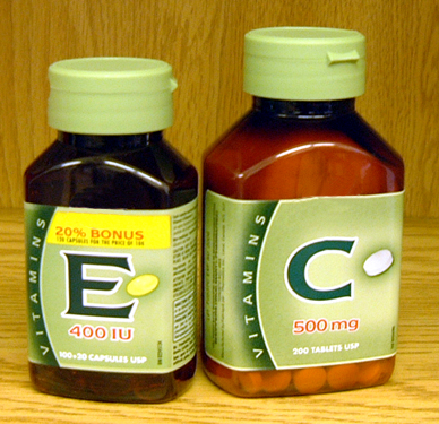
  • Vitamin C -- Builds collagen for plump, tight skin. Find it in whole grains, apples and citrus fruits. Aim for 75 milligrams a day .
  • Vitamin E -- Protects cell membranes and "boosts" skin-based nutrients that fight off UV damage. Find it in wheat germ oil, almonds, and peanut butter. Aim for 15 milligrams a day.
Other skin-beautifying antioxidants include selenium, thiamine, beta-carotene and zinc.

We should basically obtain antioxidants through our diet. Additionally, we can intake supplements or use antioxidant creams or oils topically.


4. Sun Protection

When you use sunscreen, you're not just helping to protect yourself from diseases like skin cancer; you're also helping to prevent the signs of skin aging that come from sun exposure. Skin that's left naked in the sun ends up more discolored and wrinkled and less elastic than skin that has been steadily shielded from UV radiation.
In fact, what most of us think of as "aged skin" is, more specifically, sun-damaged skin.
To protect your skin from the effects of the sun, you can choose either a chemical sunscreen, like avobenzone or oxybenzone, or a physical one, like zinc oxide or titanium dioxide. Either way, look for one with a sun-protection factor (SPF) greater than 15, and apply it at least 20 minutes before you're going to be in the sun. That way, the active ingredients have time to take effect before the UV exposure begins.
If you go swimming or have occasion to sweat a lot, be sure to reapply afterward.


5.Essential Fatty Acids

Essential fatty acids, or EFAs, are an important component of any healthy diet. They help to build up the lipid-based cell membranes that hold in water and nutrients. In the case of the skin, those lipids also form an oil barrier that protects the skin from UV damage and pollutants.
Without EFAs, skin-cell membranes and that overall protective barrier can't work effectively. The skin ends up overly exposed, dehydrated and prone to produce a more harmful type of sebum, leaving it dry, inflamed and blemished.
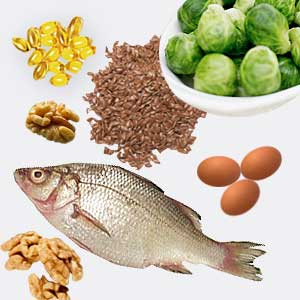
The EFAs you need to keep your skin looking great are primarily omega-3 and omega-6 fatty acids. Omega-6 is found in tons of foods, including poultry, grains and cooking oils, so you're probably getting plenty of that. Omega-3s are somewhat harder to come by; you'll find those in cold-water fish, like salmon and sardines, along with flaxseed and safflower oils, kidney beans, walnuts and spinach. Some skin experts also recommend another EFA, gamma linolenic acid (GLA), for its anti-inflammatory effects. GLA is founds mostly in plant oils.
You might find it helpful to take an omega-3 or GLA supplement to improve your skin health. You'll find those in most grocery stores, and definitely any natural-foods store.

Additionally, you can add gla containing natural oils like borage seed oil or evening primrose oil into your skin care regimen. 


ooooooooooooooooooooooooooooo


GOLDEN TIPS FOR GLOWING, GORGEOUS AND HEALTHY SKIN


A good skin takes a few weeks of proper care, attention and regime to revive it. Above all one needs to relax. This will keep you in the pink of health, mentally as well as physically. A healthy mind lives in a healthy body with a healthy skin. For this, a proper and balanced diet is the foremost requirement. You need a proper night's sleep for a healthy body with a healthy skin because this is the time when the body revitalizes and rejuvenates. Lack of proper sleep could invite stress and all other sorts of psychological problems which obviously will affect the skin's health as well.


Some Fast Facts About Our Skin
 
• Skin is considered the largest organ of our body
• It is composed of three layers, namely - the epidermis, the dermis and the sub-cutis
• Sub-cutis is the layer of the skin that accumulates fat
• Our skin cells renew itself almost every 28 days
• The finest layer is on the eye lid
• The amount of pigment melanin in our skin defines the tone of the skin.


Friday, August 3, 2012

DIY EYE-SERUM RECIPES

DIY Eye Serum
DIY Eye Serum


Eye serums are fairly expensive skin care products among all. If you are on a budget, you can do your own eye serum with effective natural ingredients. 

Below you will find 2 homemade eye-repair serum recipes.


First of all, you will need a clean serum bottle with a pump, which you can obtain from drugstores. Your run-out serum's bottle will also do, however you have to clean it with alcohol.

Or, a clean eye-dropper bottle.


 FIRST RECIPE

If you like the oily textured eye serum, you will not need a serum bottle but an eye-dropper bottle instead. Obtain it from a drugstore.

For oily textured eye serum, all you need is:

1) Clean glass eye dropper bottle
2) Wheat Germ oil
3) Jojoba Oil
4) Carrot seed oil
5) Pomegranate oil
6) Grape seed oil


You will take the same amount of each oil with an eye-dropper, and mix them in your eye dropper bottle. Shake well before each use. One drop for each eye will be enough.

Your DIY eye- serum contains all the useful and necessary ingredients and antioxidants an eye serum should have!!!


                               ooooo0000000oooooo


 SECOND RECIPE

I, personally like eye serums with gel consistency. So in this recipe you will need aloe vera gel and/ or Vitamin E gel as the basic element.


Here is the recipe for your eye serum:


1) A clean serum bottle
2) 1 tablespoon of Aloe Vera gel and/or Vitamin E gel
3) 1 teaspoon Grape seed oil
4)  1 teaspoon Pomegranate Seed Oil 
5) 1 teaspoon Carrot Seed Oil
6) 1 teaspoon chamomile oil 
7) Little Wooden spoon

Combine 1 tablespoon of aloe vera gel and 1 tablespoon Vitamin E gel (or a few Vitamin E capsules) together in a bowl. Add the oils and mix them very well with a little wooden spoon.You should have a white jelly-like cream. Spoon the mixture into the serum bottle. 

Now you have your DIY Eye-serum (in gel form) with perfect ingredients!!!!   


...............2 homemade eye-repair serum recipes...........


Tuesday, July 31, 2012

DIY Facial Mist


DIY Facial Mist


You can find the information about facial mists in my blog: what they are, why they are used etc. They are simply great to refresh and hydrate your face. Many organic or drugstore brand facial mist sprays can be expensive. A cost-effective solution is to make your own home made facial mist with simple ingredients you can obtain easily. 

Here you will find the recipe to make your own facial mist at home.


All you need is:


1) Spray bottle

2) Purified/distilled water


3) Glycerin


4) Essential oil of your choice (rose/ lavender / eucalyptus / chamomile)


Where to obtain the ingredients:

You can obtain spray bottle from any drugstore, bottled distilled water from grocery store or gas station or pharmacies, glycerin from drugstores and essential oils from anywhere selling natural organic products. 


Why distilled water?
When you are making a facial mist, it is better to use distilled water. The harder the water, the higher the mineral count and the more chance of a dry and irritated skin. You can also use drinking water after you boil it.


After obtaining the necessary ingredients, follow these easy steps to make it:

Step 1. Fill your 3/4 of your spray bottle with pure water
Step 2. Add 1 tsp of glycerin in the spray bottle
Step 3. Add 5 drops of rose oil and 5 drops of other essential oil of your choice
Step 4. Replace the spay nozzle, close the spray bottle and shake the bottle to mix the oils and water.


Your facial spray is ready!!!!!

Now you can liberally spray it on your face!


Related Posts Plugin for WordPress, Blogger...