Showing posts with label Natural Oils. Show all posts

Sunday, September 2, 2012

DIY Face Serums


  • Making your own facial serum is really easy! All you need is a carrier oil (or oils!) and essential oils (or oil!) of your choice. Below are a few skin care/facial serum recipes using the essential oils and carrier oils listed above:


NATURAL SKIN CARE RECIPES:


1. Moisturizer for Normal Skin 

Geranium 1 drop  
Lavender 2 drops
   Sweet Almond Oil - 1 Tablespoon


Blend essential oils with Almond oil. Apply to face after cleansing and toning. Use a few drops of this blended mixture as needed. Note: when mixing your essential oils with the carrier oil or lotion, let set for 1 to 2 days so the oils can blend thoroughly.


2. Face Serum for Sensitive Skin


Natural Skin Moisturizers

  • 2 tbsp Almond oil
  • 2 tbsp Jojoba oil
  • 5 drops Chamomile essential oil
  • 5 drops Rose essential oil

3. Face Serum for Mature Skin
  • 2 tbsp Jojoba oil
  • 5 drops Rosehip oil
  • 5 drops Pomegranate seed oil
  • 5 drops Carrot seed oil 

4. Antiaging Eye Serum


  • 2 tbsp Wheat Germ oil
  • 2 tbsp Grapeseed oil
  • 2 tbsp Pomegranate oil
  • 2 tbsp Carrot seed oil 

5. Antiwrinkle Moisturizer

  • 60% Hazelnut oil/ Sesame Oil 
  • 20% Rosehip seed oil
  • 10% jojoba oil
  • 10%2 Rose essential oil 


6. Nourishing face serum 
  • 2 tbsp Almond oil/Pumpkin seed oil 
  • 2 tbsp Rosehip seed oil
  • 5 drops Lavender essential oil
  • 5 drops Neroli essential oil

7. Antiaging Face Serum

  • 20% Evening Primrose oil 
  • 20% Apricot kernel oil
  • 60% Avocado oil 


8. Face Serum for Acne
  • 2 tbsp Hazelnut oil
  • 2 tbsp Rosehip seed oil
  • 5 drops Lavender essential oil
  • 5 drops Tea Tree essential oil/ Eucalyptus oil 
  • 5 drops Geranium essential oil


9. Face Serum for Dry Skin
  • 10% Evening Primrose oil 
  • 10% Chamomile essential oil
  • 20% Jojoba oil
  • 60% Avocado oil 

GOLDEN TIPS


Oils are great for the skin. I learned that oil-based serums are actually wonderful for all types of skin, including mature skin, dry skin, sensitive skin, acne prone skin etc.  Face oils & serums are a wonderful way to heal, moisturize and protect your skin!!! 

And one more thing, last but not the least: while storing these oils, keep them in cool, dry and dark places and their bottles should better be in dark colors so that they are affected less by the sunlight!!!

Enjoy your own homemade serums :)))


Tuesday, August 28, 2012

Healthy Skin: What Your Skin Needs

SKIN CARE


Our skin is the outer most protective layer of our body and is a very sturdy layer. However, there are a few necessities of this integral organ as well, something we must never miss to provide.

Healthy Skin needs:


1.Water

The human body is full of water -- it's 55 percent to 75 percent of what we are. Water flushes toxins out of the body, allows our cells to absorb nutrients, and keeps our digestive processes moving smoothly.
But that water isn't a constant. The most basic bodily processes, like breathing and sweating, remove that water from our cells. So for our cells to function properly, we need to consume lots of water to replace what we lose.
The skin is no different from the rest of the body when it comes to needing hydration. Water helps to remove impurities from the skin that can lead to pimples, and it hydrates to keep the skin looking plump and smooth.
To keep the skin hydrated, you should drink at least half a gallon (2 liters) of water each day.


2.Cleansing

Cleansing is the most basic element of any skin-care routine. It not only removes excess dirt, pollutants and pore-clogging oil from the epidermis so it can remain blemish-free, but it also preps the skin for any subsequent products you'll be using, so active ingredients (like vitamins or sunscreen) can penetrate and be most effective.
But not all cleansers are the same. First, a facial cleanser should always be soap-free; the soap products you use on the rest of your body are typically too harsh for the face. And, as with most skin-care products, you need to pick one that suits your skin type. For very dry skin, you might want to go with a creamy cleanser. Dry and/or sensitive skin should always go alcohol-free, whether creamy or not. An oily epidermis can benefit from an acidic cleanser, like an alpha-hydroxy product, which does a better job of breaking up sebum -- the skin's oily secretion that can lead to clogged pores.
Whichever cleanser is right for you, be sure to massage it into your face for at least 20 seconds so it has a chance to do its job.
Cleansing is all about the surface of the skin. Up next, going a bit deeper…

3. Antioxidants

Antioxidants are widely believed to be beneficial for both cardiovascular health and cancer prevention. They're found in all sorts of foods, including fruits, vegetables, seafood and oils. Antioxidants' free-radical-fighting activities destroy molecules that can damage healthy cells, and as it turns out, they're as great for skin cells as they are for every other cell in the body.
While many different antioxidants can be beneficial to the skin, two in particular get lots of attention:
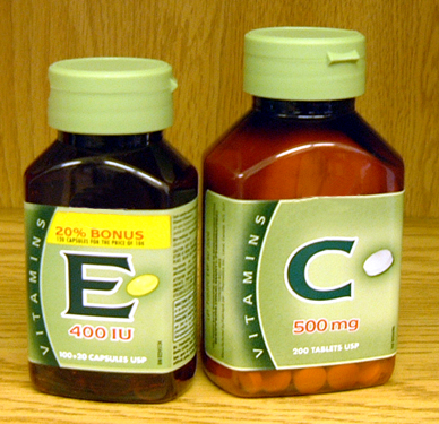
  • Vitamin C -- Builds collagen for plump, tight skin. Find it in whole grains, apples and citrus fruits. Aim for 75 milligrams a day .
  • Vitamin E -- Protects cell membranes and "boosts" skin-based nutrients that fight off UV damage. Find it in wheat germ oil, almonds, and peanut butter. Aim for 15 milligrams a day.
Other skin-beautifying antioxidants include selenium, thiamine, beta-carotene and zinc.

We should basically obtain antioxidants through our diet. Additionally, we can intake supplements or use antioxidant creams or oils topically.


4. Sun Protection

When you use sunscreen, you're not just helping to protect yourself from diseases like skin cancer; you're also helping to prevent the signs of skin aging that come from sun exposure. Skin that's left naked in the sun ends up more discolored and wrinkled and less elastic than skin that has been steadily shielded from UV radiation.
In fact, what most of us think of as "aged skin" is, more specifically, sun-damaged skin.
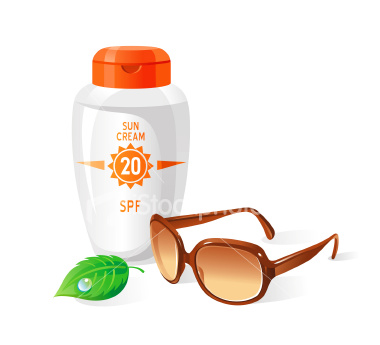
To protect your skin from the effects of the sun, you can choose either a chemical sunscreen, like avobenzone or oxybenzone, or a physical one, like zinc oxide or titanium dioxide. Either way, look for one with a sun-protection factor (SPF) greater than 15, and apply it at least 20 minutes before you're going to be in the sun. That way, the active ingredients have time to take effect before the UV exposure begins.
If you go swimming or have occasion to sweat a lot, be sure to reapply afterward.


5.Essential Fatty Acids

Essential fatty acids, or EFAs, are an important component of any healthy diet. They help to build up the lipid-based cell membranes that hold in water and nutrients. In the case of the skin, those lipids also form an oil barrier that protects the skin from UV damage and pollutants.
Without EFAs, skin-cell membranes and that overall protective barrier can't work effectively. The skin ends up overly exposed, dehydrated and prone to produce a more harmful type of sebum, leaving it dry, inflamed and blemished.
The EFAs you need to keep your skin looking great are primarily omega-3 and omega-6 fatty acids. Omega-6 is found in tons of foods, including poultry, grains and cooking oils, so you're probably getting plenty of that. Omega-3s are somewhat harder to come by; you'll find those in cold-water fish, like salmon and sardines, along with flaxseed and safflower oils, kidney beans, walnuts and spinach. Some skin experts also recommend another EFA, gamma linolenic acid (GLA), for its anti-inflammatory effects. GLA is founds mostly in plant oils.
You might find it helpful to take an omega-3 or GLA supplement to improve your skin health. You'll find those in most grocery stores, and definitely any natural-foods store.

Additionally, you can add gla containing natural oils like borage seed oil or evening primrose oil into your skin care regimen. 


ooooooooooooooooooooooooooooo


GOLDEN TIPS FOR GLOWING, GORGEOUS AND HEALTHY SKIN


A good skin takes a few weeks of proper care, attention and regime to revive it. Above all one needs to relax. This will keep you in the pink of health, mentally as well as physically. A healthy mind lives in a healthy body with a healthy skin. For this, a proper and balanced diet is the foremost requirement. You need a proper night's sleep for a healthy body with a healthy skin because this is the time when the body revitalizes and rejuvenates. Lack of proper sleep could invite stress and all other sorts of psychological problems which obviously will affect the skin's health as well.


Some Fast Facts About Our Skin
 
• Skin is considered the largest organ of our body
• It is composed of three layers, namely - the epidermis, the dermis and the sub-cutis
• Sub-cutis is the layer of the skin that accumulates fat
• Our skin cells renew itself almost every 28 days
• The finest layer is on the eye lid
• The amount of pigment melanin in our skin defines the tone of the skin.


Friday, August 24, 2012

Tips for Shiny Healthy Hair


Healthy Shiny Hair


Great hair doesn’t have to cost a fortune. You don’t need to spend money on expensive high-end products, or even go to the salon every month. All it takes is a little tender loving care to get your hair back to its natural health and shine.


Here are 10 Tips for Shiny Healthy Hair:


Tip#1
Choose the right shampoo and conditioner according to your hair type.


Tip #2


Preventive Care: Don’t let your hair be a victim to the environment. Protect it by deep conditioning once a week or using a hair mask. This will fortify your strands, making them much healthier and easier to manage. So treat your hair to some spa time every week and within a month, you’ll definitely see a difference!


Tip #3
Skip the Heat: I cannot tell you how important it is that you skip the blowdrier/straightener/curler as much as possible! On your days off where you’re not leaving the house for example, why not let your hair air dry to its natural state? The more heat you put on your hair, the more you dry out the strands, leaving your hair weak, brittle, and not very healthy. If you must blowdry every day, make sure you do it at the lowest heat setting possible. Yes, it does take a little longer, but especially for those with thin hair like mine, it can make a world of difference! Also, don’t forget that ceramic irons are much more gentler on your hair than non-ceramic ones, so be sure you use the best kind.
 
Tip #4
Don’t rub! After getting out of the shower, pat your hair dry and then wrap it in a towel. But under no circumstance should you rub your hair dry since that causes breakage which will eventually lead to split ends.
 
Tip #5
Brush With Care: The way you brush your hair is very crucial to its health. Never pull on it too hard – you’ll end up pulling out strands! If your hair gets easily tangled, brush it slowly and with care starting at the ends and working your way up – especially if your hair is wet.
 
 
Tip #6
Skip a Day: One of the best advices I was given by my hairdresser was to not wash my hair every day. Sure, it may sound a little gross, but washing your hair every single day strips it of its natural oils, which leaves your hair dry and brittle. Instead, wash your hair every other day to retain essential oils.
 
Tip#7
Natural Oils: Apply a few drops of castor oil, argan oil or coconut oil all over your hair, especially to the ends after shower before combing your hair. You can apply jojoba oil into the scalp. They all add strength as well as shine to your hair.


Tip#8
Cut your hair every 8 weeks: On average, hair grows at a rate of about one-half inch (1.25cm) per month.This means, between cuts, the hair should have grown about an inch (2.5cm). If your hair is already the length you desire, this means you have an inch to spare, and that inch is the part of the hair that has been the most abused, most mistreated, and most damaged. In short, that inch is ready to retire.

If you are trying to grow your hair longer, this means you can lose the least
healthy half-inch of hair with each trim and still gain 3 inches each year. It may seem like slow progress, but you'll be happier with the results in the end. 
Removing split ends is one of the ways to healthy hair.
 
 
Healthy Hair


Tip#9
Healthy diet is a must: Dark green vegetables, fish (especially salmon), chicken and turkey, beans and nuts should be consumed. Without adequate protein or with low-quality protein, one can experience weak brittle hair, while a profound protein deficiency can result in loss of hair color.


Tip#10
Avoid hair dying: If you dont have grey hair, don't dye your hair. Dyes ruin the hair's chemistry.


7 Ways to Get Shiny Hair Fast ...


......................................................
 
 
REMEMBER: A woman's hair is her crowning glory!!!!

Friday, August 10, 2012

DRY SKIN: Tips to Prevent Dry Itchy Skin


DRY SKIN

There's nothing worse than dry, itchy skin. Dry skin can happen any time during the year, but is most prevalent in winter (hence the term, "winter itch"). Find out why your skin tends to be dry in winter and how to solve dry hands, feet, body, face and lips year-round. 


In winter, low temperatures, low humidity and strong, harsh winds deplete skin of its natural lipid layer, which keeps the skin from drying out. The dry air from furnaces and other heating sources also suck the moisture out of skin. To keep skin soft and supple, your goal is not only to add moisture to skin, but to keep moisture in as well. 


Why Dry Skin?

You get dry skin because your skin is not producing enough natural oils to keep itself hydrated. This lack of oil will cause your skin to be dry,sensitive and feel tight and itchy.


So when you go to buy your daily facial cleanser, make sure to get one that does not contain a lot of alcohol, which will irritate already dry skin.
Then, it is really important to get a good facial moisturizer. The ones which contain olive oil can be a good choice as these are safe and natural. 

If your skin is dry, it may also be sensitive. When you try new products watch out for redness and don't use products that cause irritation. Also, you may want to try to find a facial cream that has sun screen in it too. 


Here are some tips to prevent dry itchy skin:

1) Keep water lukewarm not hot in shower or while washing hands or face (hot water robs skin's moisture)

BASIC CARE TIPS FOR DRY SKIN


2) Moisturize your skin after every shower while your skin is still damp. (You can lock moisture in the skin this way)


3)Exfoliate your skin, both your face and body, weekly (to remove dead skin, so that moisturizers can be better absorbed by the skin)


4)Don't use drying soaps, use mild cleansers instead.


5)Use lip balms for your lips.


6) Invest in a deeply nourishing facial moisturizer,a body moisturizer, plus a humidifier if you live in low-humidity climate.


7) You can take fish oil pills.


8) Drink plenty of water.


9) Use bath oils during taking a bath or right after the bath.


10) After you take a shower or a bath, pat dry with a towel, don't rub it.


11) Use natural oils for your face at nights for moisturizing. (Sweet almond oil, wheat germ oil etc )


12) You can apply facial masks for deeper hydration.


Friday, August 3, 2012

DIY EYE-SERUM RECIPES

DIY Eye Serum
DIY Eye Serum


Eye serums are fairly expensive skin care products among all. If you are on a budget, you can do your own eye serum with effective natural ingredients. 

Below you will find 2 homemade eye-repair serum recipes.


First of all, you will need a clean serum bottle with a pump, which you can obtain from drugstores. Your run-out serum's bottle will also do, however you have to clean it with alcohol.

Or, a clean eye-dropper bottle.


 FIRST RECIPE

If you like the oily textured eye serum, you will not need a serum bottle but an eye-dropper bottle instead. Obtain it from a drugstore.

For oily textured eye serum, all you need is:

1) Clean glass eye dropper bottle
2) Wheat Germ oil
3) Jojoba Oil
4) Carrot seed oil
5) Pomegranate oil
6) Grape seed oil


You will take the same amount of each oil with an eye-dropper, and mix them in your eye dropper bottle. Shake well before each use. One drop for each eye will be enough.

Your DIY eye- serum contains all the useful and necessary ingredients and antioxidants an eye serum should have!!!


                               ooooo0000000oooooo


 SECOND RECIPE

I, personally like eye serums with gel consistency. So in this recipe you will need aloe vera gel and/ or Vitamin E gel as the basic element.


Here is the recipe for your eye serum:


1) A clean serum bottle
2) 1 tablespoon of Aloe Vera gel and/or Vitamin E gel
3) 1 teaspoon Grape seed oil
4)  1 teaspoon Pomegranate Seed Oil 
5) 1 teaspoon Carrot Seed Oil
6) 1 teaspoon chamomile oil 
7) Little Wooden spoon

Combine 1 tablespoon of aloe vera gel and 1 tablespoon Vitamin E gel (or a few Vitamin E capsules) together in a bowl. Add the oils and mix them very well with a little wooden spoon.You should have a white jelly-like cream. Spoon the mixture into the serum bottle. 

Now you have your DIY Eye-serum (in gel form) with perfect ingredients!!!!   


...............2 homemade eye-repair serum recipes...........


Related Posts Plugin for WordPress, Blogger...