Showing posts with label Sensitive Skin. Show all posts

Thursday, December 4, 2014

HEALTHY SKIN

  1. Skip the long, steamy showers and opt for shorter, cooler sprays. Long, hot showers strip skin of its moisture and wash away protective oils. So limit showers to 10 minutes and keep the water cool.
  2. Check the dryness of your skin by scratching a small area on your arm or leg with your fingernail. If it leaves a white mark, your skin is indeed dry and needs both moisture and exfoliation (i.e., removal of the outermost layer of dead skin cells).
  3. Treat your neck and chest like an extension of your face. Your neck and upper chest area is covered by very sensitive skin, making it a prime spot for telltale signs of aging such as dryness, sun spots and wrinkles. To keep this area youthful, use facial cleansing creams that hydrate and cleanse gently rather than deodorant soaps, which can be drying. Top it all off with a good facial moisturizing cream. If this area is extra dry, use a facial moisturizing mask twice a month.
  4. Run a humidifier every night to moisturize the air in your bedroom. Not only will it ease itchy, dry skin, you’ll be able to breathe the moist air more easily.
  5. Keep your beauty products clean and simple, particularly if you have sensitive skin. Stay away from products with colour, fragrance, or those that produce bubbles or have “antibacterial” on the label. These can all irritate skin.
  6. For soft, young-looking hands and feet, slather on moisturizing cream and then slip on thin fabric socks and gloves while you sleep.
  7. Tone your skin with a sage, peppermint and witch hazel combination. Sage helps to control oil, peppermint creates a cool tingle and witch hazel helps restore the skin’s protective layer. Combine 4 ounces of witch hazel with 1 teaspoon each of sage and peppermint leaves and steep for one to three days before applying to your skin.
  8. Use a loofah daily to keep ingrown hairs and scaly skin under control. While in the shower, gently scrub bumpy or scaly skin with a circular motion to remove dead cells. For extra-smooth skin, sprinkle a few drops of an alpha-hydroxy product on the loofah before scrubbing.
  9. Use unscented baby powder to keep areas where skin meets skin—like the inner thighs, underarms, beneath large breasts—clean and dry. This is important to prevent a common skin condition called intertrigo, which occurs when such areas remain moist, fostering the growth of bacteria or fungi.
  10. If you’re gearing up for a day in the sun, steer clear of scented lotions and perfumes. Scented products can lead to blotchy skin when exposed to the sun.
  11. Smooth aloe vera gel over extra-dry skin. The acids in aloe eat away dead skin cells and speed up the healing process. Cut off an end of an aloe leaf, split open, and spread the gel on the dry area.
  12. Plunk your rough, dry elbows into grapefruit halves. First exfoliate your elbows in your bath or shower, then cut a grapefruit in half and rest one elbow on each half, letting them soak for 15 minutes. The acid in the grapefruit provides extra smoothing power.
  13. Go for a run, ride your bike, work out in the garden on a hot day—anything that gets you sweating. Sweating is nature’s way of eliminating toxic chemicals that can build up under skin. Plus, regular exercise maintains healthy circulation and blood flow throughout your body, including your skin. If you’re exercising outdoors, though, remember to wear a sunscreen on your face that protects against UVA and UVB rays, or a moisturizer with sunscreen protection.
  14. Switch moisturizers every time the seasons change. Your skin needs more moisture in the winter than in the summer. So the same day you bring those sweaters down from the attic for the winter, buy a heavier moisturizer. When you trade in the sweaters for shorts, switch to a lighter one.
  15. Avoid these three skin destroyers: Smoking, tanning salons and sunbathing. All three will age your skin prematurely.
  16. For double skin protection, apply a cream containing vitamin C to your face over your sunblock. The cream helps prevent facial skin damage, dehydration and wrinkles. Also try skin creams containing vitamin E or beta-carotene.
  17. Use a spritzer with rose, sandalwood or bergamot essential oils mixed with water. These oils are great for hydrating the skin. To create a herbal spritzer, mix a few drops of essential oil with water in a small spray bottle and spritz on your face whenever your skin needs a little boost. Your skin is more pliable when it’s hydrated, so a spray helps stave off frown lines and general movement wrinkles. The hydrator also keeps pollutants out and keeps your skin’s natural lubricants in. An added bonus: Your makeup will stay on longer and look more natural.
  18. Clean your face and neck with a natural cold cream and follow with a rosewater and glycerin rinse twice a day to remove skin-damaging pollutants.
  19. Keep your hands off your face! Because your hands touch so many surfaces, they are a magnet for dirt and germs. Rub your eyes, stroke your chin, cup your cheek and you’ve transferred everything on your hands to your face.
  20. Stop with one glass of wine or one alcoholic drink. Overdoing it enlarges the blood vessels near the surface of your facial skin.
  21. Never rub your eyes—apply compresses instead. The skin on your face is extremely delicate, especially under your eyes. So use a very light touch on your face at all times. If your eyes itch, apply a cold compress or washcloth to the area, or try a cotton pad moistened with toner or witch hazel.

Saturday, November 10, 2012

PORES: How to Minimize Pores

LARGE PORES


Celebrities and models always look so gorgeously pore-less in the photos staring out at us from their magazine covers. They have pores just like the rest of us. Having pores is a non-negotiable part of having skin. In fact, we need to have them because they are essential to skin function.
Large pore size can be frustrating because it can interfere with an otherwise smooth quality to skin, and generally speaking, a large pore size is visually unappealing.


Why do we have large pores?

Your pore size is partly a matter of genetics and partly due to whatever is currently trapped inside of them. If you have a lot of oil or dead skin cells accumulating in your pores, that can stretch them out and make them look bigger.


And with most skin-related problems, the appearance of your pores can get worse due to sun exposure and aging. Both have a negative impact on collagen and elastin—the two components of your skin’s structural support system.

Exposure to ultra-violet rays creates molecules called free radicals that destroy your existing collagen and elastin. And one of the natural effects of getting older is that production of new collagen slows down. The combined effect means that what’s being damaged daily by sun exposure isn’t being repaired and rebuilt quickly enough.  When you lose support around your pores—because of a loss of collagen and elastin—they start to sag and look larger.


How can we minimize large pores?

As pore size is usually genetic, and there is not much you can do to make them permanently smaller. Do not fall for claims stating a product will reduce your pore size. However, there are some tips and tricks you can employ to temporarily minimize the appearance of pore size.

Here are the tips to minimize your pores:


1. Keep Your Skin Clean


Exfoliate once a week to clean clogged pores. It is easier if you use facial steamer first then exfoliate gently. Clean pores look smaller.
You can use face washes, cleansers and masks which contain salicylic acid. It works to minimize pores by keeping them clear. It penetrates pores and helps to dissolve and dislodge oil, dirt and dead cells.


2.Use toner


Using a toner, or an astringent, after cleansing your face (before moisturizing) can help reduce the appearance of large pore size. Astringents constrict pores as well as help remove that last bit of oil and dirt. 


3.Use sunscreen daily


It is one of the few things you can do to help keep the skin's support structure strong and pores minimized. Look for a daily moisturizer that contains a broad-spectrum sunscreen and an SPF of 30 or higher. 


4.Use retinoid
 
Pore-Minimizing Secrets


Whether it is an over-the-counter retinol or a prescription-strength Retin-A, the active ingredient helps stimulate new collagen production in the skin. More collagen means better skin structure, and that means pores don’t sag and look larger.


5.A Little Makeup Help


Start with a primer to help smooth out the appearance of the skin and fill in pores so that foundation goes on flawlessly. Mineral powder foundations can give an airbrushing effect to the skin. For the most pore-minimizing coverage, apply it with a dry makeup sponge, pressing the powder firmly into the skin, and then buff off any excess with a large powder brush.


*****Follow this skin care regimen carefully if you are self conscious about your pores. You will observe your pores get cleaner and smaller, and your skin look much healthier.***** 


Friday, September 28, 2012

CLEANSERS: Best 5 Facial Cleansers

Drugstore Cleansers


Cleansing is the most important part of the daily skincare routine. If you quit this step, you can never benefit enough from your skincare products as much as you are supposed to.


However, there is no need to spend a lot of money on a cleanser with special ingredients in it because you're just washing the product down the drain.


You can get a basic cleanser from any drugstore. Look for a mild, soap-free cleanser that's formulated for your skin type.
 
Here you will find the best facial cleansers for different skin types: dry, oily, combination, sensitive and blemished. 


Baby-mild product that even dermatologists swear by. Why is this $10 cleanser such a must-have? It is creamy, simple and isn't loaded with chemicals or perfumes that can irritate the skin. Cetaphil cleanser is one of the best drugstore buys out there.


For years I thought of Pond's cold cream as "The Cleanser of Choice for Grandmothers".Turns out Pond's is also "The Cleanser of Choice for Chic French Women". For years the French have opted for super moisturizing cold creams. You simply massage this in and then wipe off with a tissue or a warm washcloth and you're left with super soft skin. It removes makeup without leaving skin feeling "tight." Plus, water can contain hard contaminants that are harsh on skin and at least one prominent dermatologist I know strongly advises against rinsing the face with water. It gets 5 out of 5 stars.


The Secret of Kylie Minogue


Gel cleansers work well for oily skin because they absorb excess oils. This classic cleanser can be a bit drying, so test the product before you buy.


Neutrogena is one of the best drugstore beauty brands, hands-down, and you can't go wrong with this simple acne wash for acne-stricken skin. People love it because the salicylic acid gel is gentle and soothing -- spiked with aloe and chamomile. It also dries out breakouts without drying out sensitive, irritable skin.


This basic drugstore cleanser works well for sensitive skin because it contains no harsh ingredients that will inflame skin.


Cleansing is very important to maintain healthy and glowing skin. Your skin is the main organ which is exposed to pollution, dust and harmful radiation. So, it is always essential to cleanse your skin regularly using skin cleansers to get rid of impurities. You must choose skin cleansers depending on your skin type.


Removing Makeup

There are loads of makeup removers in the market especially formulated to remove heavy makeup. However, you can remove your makeup with cleansers. I, personally, remove my daily make up with my liquid wash away cleanser and rinse off with tap water. 

If you prefer waterproof make up, you must use makeup removers which are especially formulated to remove waterproof makeup.


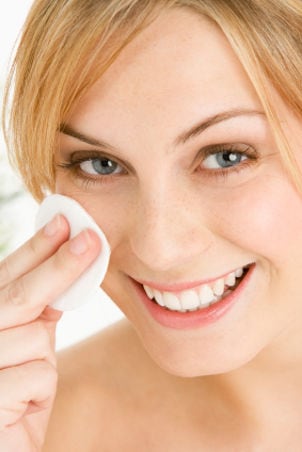
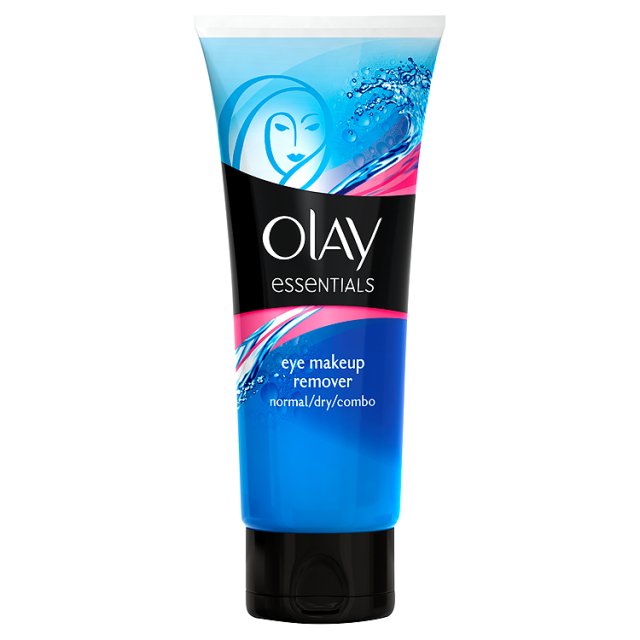
As the eye area is delicate, removing eye make up with harsh cleansers can be irritating. You can use eye makeup remover which helps remove your eye makeup, whether be waterproof or not, gently. 


Never skip this step! Cleanse your face twice a day. In the morning and in the evening. A clean face, without impurities and makeup, can breathe and renew itself better. And it is the way to flawless beautiful skin.


Tuesday, September 11, 2012

MINERAL MAKEUP: Healthy Makeup


MINERAL MAKEUP


Mineral makeup is a new cosmetic trend that emphasizes natural health and being eco-friendly by using organic ingredients. Mineral makeup is mostly made up of natural minerals. It does not contain any chemicals, additives, animal byproducts, talc, oil, synthetic fragrances, and other manufactured skin irritants. Mineral makeup is made by pulverizing sterilized minerals into a fine powder that is mixed with natural pigments to produce various shades.


Synthetic ingredients have a negative impact on the skin causing such problems as acne, blackheads, clogged pores, skin irritations, and dry skin. As well, some artificial colors are known as carcinogens. With natural makeup, there is a significantly reduced risk of allergic reactions and acne break outs. The minerals in the makeup consist of titanium dioxide, zinc oxide, and iron oxide. Iron oxide gives color to the makeup. Titanium and zinc are a natural anti-inflammatory, and titanium dioxide is a natural sunscreen and provides an SPF of 15 to 20.


Most mineral foundations consist of a foundation, concealer, powder and sunscreen. It is great for women with sensitive skin as it provides enhanced skin care. Manufactured make-up tends to be heavy on the face and can cake up on the skin. Organic makeup’s texture is lighter, more natural, and allows your skin to breathe. It is based on a hypoallergenic loose powder that naturally nourishes and protects the skin.


Mineral makeup does not enhance wrinkles like traditional powders. If you have fine lines, wrinkles, or crow’s-feet, the minerals will not accentuate them, but instead, aid in smoothing and covering them up. As well, it is rich in vitamins, antioxidants and ingredients that hydrate the skin and conceal wrinkles. The result is silky, soft, smooth, and healthy skin with a youthful and glowing appearance.


There benefits of wearing organic make over manufactured mass produced makeup are numerous. It does not harm and aggravate the skin with damaging chemicals, oils and chemical additives. As well, it does not obstruct the skin’s pores or create a breeding ground for bacteria, and it protects the skin from damaging UVA rays. It provides the wearer with a natural appearance.


NATURAL APPEARANCE WITH MINERAL MAKEUP


Organic makeup is fast becoming the new choice in beauty care as the ingredients benefit the skin. Most women report that wearing mineral makeup feels like they are not wearing any makeup at all. The minerals benefit the skin as they soothe and alleviate itchy, inflamed, red, bruised, and flaking skin. It also cools the skin and promotes quicker healing time. It will not aggravate your skin even if you sleep while wearing it. As well, it is an affordable way to nourish your skin and get the same quality of skin texture as you would in an expensive spa.


Mineral Eye Makeup
For people with sensitive skin or eyes, mineral eye makeup is an excellent option. In some cases people with sensitive skin or allergies have reported reactions to mica or bismuth oxychloride, so always check the labels carefully and either avoid these ingredients or get a sample to test before purchasing.


Benefits of mineral makeup
Mineral makeup doesn’t contain any magic ingredient that heals the skin. Its core ingredients, such as mica and titanium dioxide, are used in most makeup. However, it doesn’t have fragrances or binders that may irritate the skin. It may also be beneficial for people who have acne, since titanium oxide has anti-inflammatory properties, and it doesn’t clog pores. Titanium oxide is also used in sunscreen, so it does have some sun protection (but not enough that you don’t need additional sunscreen).
Mineral makeup’s powder formulation also makes it easier for women to choose (or at least mix) shades that approximate their natural skin tone.
 
Disadvantages of mineral makeup
Some people say that the colors can look ashy on darker skin tones. Others complain that it can dry the skin, and may accentuate wrinkles.
Additionally, mineral makeup isn’t something you can apply in the car. You need to pour a bit of the powder from the  lid of the container, and use a kabuki brush or a large fluffy brush to apply.


Mineral makeup has transformed the cosmetic industry. It used to be only available at chic spas, but now mineral makeup is available to everyone. In the past few years, mineral makeup has become extremely popular with women of all ages. Wearing mineral makeup will make you look and feel fantastic.


Thursday, September 6, 2012

Blackheads: How to Get Rid of Blackheads


Blackheads
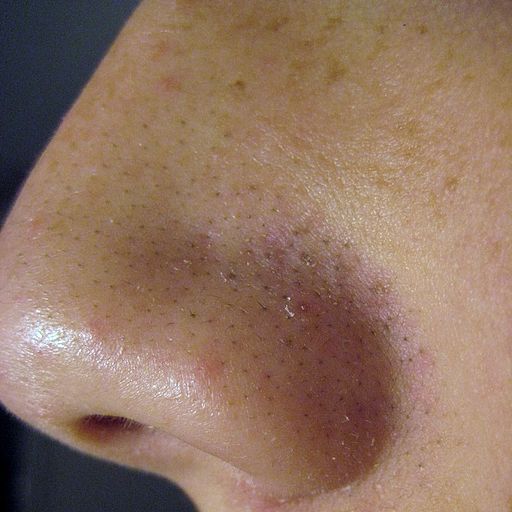
Blackheads on the Nose Area


What are blackheads?

A blackhead, or open comedo is a wide opening on the skin with a blackened mass of skin debris covering the opening. Despite their name, some blackheads can be yellowish in color. A comedo is a widened hair follicle which is filled with skin debris (keratin squamae), bacteria and oil (sebum).

A closed comedo is a whitehead, while an open comedo is a blackhead. the plural of "comedo" is comedomes".

Blackheads are said to be the first stage of acne. They form before bacteria invade the pores of the patient's skin. A blackhead can develop into a pimple, which is also known as a papule or pustule.


What causes blackheads?


If the skin is not cleaned properly, more blackheads can appear, especially during those milestones in life when they are more prevalent, such as puberty. Improperly cleaned skin makes it more likely that dead skin cells build up within the pores. The pore openings can become clogged, which accelerates the build up of oil inside - thus causing blackheads to form. However, many experts warn that dirt does not cause blackheads to form - which frequently confuses and frustrates patients. Blackheads are caused by oxidized oil, not dirt. Over-cleaning the skin can lead to irritation.

In some cases, blackheads can emerge if moisturizers, sun screens, make up, or foundations are overused.

In the majority of cases, blackhead susceptibility is not heredity, with the exception of some severe acnes.


How to Get Rid of Blackheads


1) Hormonal treatments - contraceptives have often been used for the treatment of blackheads and acne, often with good results.

2) Cleaning the skin - clean your face with a good cleanser, ideally, one for oily skin, such as a salicylic acid cleanser.

You can give your face a steam to open up pores and next, make sure your hands are clean, then wrap small pieces of tissue around your fingers to protect your skin from your nails. Gently extract the blockage. If it doesn't come out easily, leave it. If you force the blackhead you risk aggravating or inflaming the skin and this might lead to scarring. Not a good plan if you can help it.


3) Medications - adapalene is a third-generation topical retinoid, used mainly in the treatment of mild to moderate acne. Many patients with blackheads have had good results. In the USA adapalene is available under brand name Differin, in three preparations - 0.1% cream, 0.1% gel, and 0.3% gel. Since 2010, it has also been available in the USA under the generic name Teva, (0.1% gel). Only the 0.1% cream and 0.1% gel forms are available in Europe.

4) UV exposure - exposing the skin to sunlight or ultra-violet light encourages it to peel, which helps unblock pores. Sunbathing or using sunbeds may help. However, it is important to discuss this with your doctor. Exposing skin to sunlight, if overdone, also raises the risk of burning and developing skin cancer.

5) Hair - greasy hair touching the face of your skin can spread infection and in some cases encourage the spread of blackheads and acne. Keeping your hair away from your face may help keep blackheads to a minimum.


Natural Homemade Remedies for Blackheads


1) First, you might want to try opening up your pores and letting the dead skin cells and oil come out naturally (Blackheads are caused when oil and dead skin cells get trapped in the pores. When the oxygen hits the sebum oil it turns black). Simply take a bowl of hot or boiling water, and hold your face about a foot away from the bowl (be careful not to put your face too close because you might burn yourself). For it to be more effective, place a towel on your head and allow the steam to seep in your pores and help loosen the debris in them. This softens your skin and makes it a lot easier for you to cleanse your face. Ideally the blackheads should come closer to the surface of the skin during this steam session.
 

2) As a second tip, take half a slice of lemon, squeeze the juice out of it and apply it to your face. Lemon juice is very acidic and its chemical reaction to your skin will decrease oil production. It can also eliminate bacteria that may trigger your blackheads in the first place.


In line with lemon juice, you can also create a paste with baking soda mixed with water. The mixture will assist in controlling the oil on your face and help kill the bacteria. Simply apply the baking soda solution where your blackheads are and let it soak for around 20 minutes. After which, wash all of it off and pat your skin dry.


3)One homemade mask is to crush some regular aspirin and then add a small amount of water to make a paste. You then apply the past to the affected area of the face and let the paste dry. Once dry you then gently wash the mask off with warm water. It is said that the natural acids contained in aspirin will soften the blackhead so that when you wash with warm water the blackhead will come out easily. 


4)Another homemade mask is made of equal parts of sugar and honey, you then heat the mixture until it bubbles. Once it bubbles let it cool just enough so that it can be applied to your face. Once you have the mixture applied, cover it with a cloth. Now let the mixture dry, once dry quickly pull the cloth from your face. The mask and blackheads should be removed as you pull the cloth from your face.


5) Aloe vera gel is also effective to remove blackheads.


The list of natural solutions are literally endless. These are a few home remedies to remove blackheads and and restore flawless condition of your skin. 


Sunday, September 2, 2012

DIY Face Serums


  • Making your own facial serum is really easy! All you need is a carrier oil (or oils!) and essential oils (or oil!) of your choice. Below are a few skin care/facial serum recipes using the essential oils and carrier oils listed above:


NATURAL SKIN CARE RECIPES:


1. Moisturizer for Normal Skin 

Geranium 1 drop  
Lavender 2 drops
   Sweet Almond Oil - 1 Tablespoon


Blend essential oils with Almond oil. Apply to face after cleansing and toning. Use a few drops of this blended mixture as needed. Note: when mixing your essential oils with the carrier oil or lotion, let set for 1 to 2 days so the oils can blend thoroughly.


2. Face Serum for Sensitive Skin


Natural Skin Moisturizers

  • 2 tbsp Almond oil
  • 2 tbsp Jojoba oil
  • 5 drops Chamomile essential oil
  • 5 drops Rose essential oil

3. Face Serum for Mature Skin
  • 2 tbsp Jojoba oil
  • 5 drops Rosehip oil
  • 5 drops Pomegranate seed oil
  • 5 drops Carrot seed oil 

4. Antiaging Eye Serum


  • 2 tbsp Wheat Germ oil
  • 2 tbsp Grapeseed oil
  • 2 tbsp Pomegranate oil
  • 2 tbsp Carrot seed oil 

5. Antiwrinkle Moisturizer

  • 60% Hazelnut oil/ Sesame Oil 
  • 20% Rosehip seed oil
  • 10% jojoba oil
  • 10%2 Rose essential oil 


6. Nourishing face serum 
  • 2 tbsp Almond oil/Pumpkin seed oil 
  • 2 tbsp Rosehip seed oil
  • 5 drops Lavender essential oil
  • 5 drops Neroli essential oil

7. Antiaging Face Serum

  • 20% Evening Primrose oil 
  • 20% Apricot kernel oil
  • 60% Avocado oil 


8. Face Serum for Acne
  • 2 tbsp Hazelnut oil
  • 2 tbsp Rosehip seed oil
  • 5 drops Lavender essential oil
  • 5 drops Tea Tree essential oil/ Eucalyptus oil 
  • 5 drops Geranium essential oil


9. Face Serum for Dry Skin
  • 10% Evening Primrose oil 
  • 10% Chamomile essential oil
  • 20% Jojoba oil
  • 60% Avocado oil 

GOLDEN TIPS


Oils are great for the skin. I learned that oil-based serums are actually wonderful for all types of skin, including mature skin, dry skin, sensitive skin, acne prone skin etc.  Face oils & serums are a wonderful way to heal, moisturize and protect your skin!!! 

And one more thing, last but not the least: while storing these oils, keep them in cool, dry and dark places and their bottles should better be in dark colors so that they are affected less by the sunlight!!!

Enjoy your own homemade serums :)))


Tuesday, August 28, 2012

Healthy Skin: What Your Skin Needs

SKIN CARE


Our skin is the outer most protective layer of our body and is a very sturdy layer. However, there are a few necessities of this integral organ as well, something we must never miss to provide.

Healthy Skin needs:


1.Water

The human body is full of water -- it's 55 percent to 75 percent of what we are. Water flushes toxins out of the body, allows our cells to absorb nutrients, and keeps our digestive processes moving smoothly.
But that water isn't a constant. The most basic bodily processes, like breathing and sweating, remove that water from our cells. So for our cells to function properly, we need to consume lots of water to replace what we lose.
The skin is no different from the rest of the body when it comes to needing hydration. Water helps to remove impurities from the skin that can lead to pimples, and it hydrates to keep the skin looking plump and smooth.
To keep the skin hydrated, you should drink at least half a gallon (2 liters) of water each day.


2.Cleansing

Cleansing is the most basic element of any skin-care routine. It not only removes excess dirt, pollutants and pore-clogging oil from the epidermis so it can remain blemish-free, but it also preps the skin for any subsequent products you'll be using, so active ingredients (like vitamins or sunscreen) can penetrate and be most effective.
But not all cleansers are the same. First, a facial cleanser should always be soap-free; the soap products you use on the rest of your body are typically too harsh for the face. And, as with most skin-care products, you need to pick one that suits your skin type. For very dry skin, you might want to go with a creamy cleanser. Dry and/or sensitive skin should always go alcohol-free, whether creamy or not. An oily epidermis can benefit from an acidic cleanser, like an alpha-hydroxy product, which does a better job of breaking up sebum -- the skin's oily secretion that can lead to clogged pores.
Whichever cleanser is right for you, be sure to massage it into your face for at least 20 seconds so it has a chance to do its job.
Cleansing is all about the surface of the skin. Up next, going a bit deeper…

3. Antioxidants

Antioxidants are widely believed to be beneficial for both cardiovascular health and cancer prevention. They're found in all sorts of foods, including fruits, vegetables, seafood and oils. Antioxidants' free-radical-fighting activities destroy molecules that can damage healthy cells, and as it turns out, they're as great for skin cells as they are for every other cell in the body.
While many different antioxidants can be beneficial to the skin, two in particular get lots of attention:
  • Vitamin C -- Builds collagen for plump, tight skin. Find it in whole grains, apples and citrus fruits. Aim for 75 milligrams a day .
  • Vitamin E -- Protects cell membranes and "boosts" skin-based nutrients that fight off UV damage. Find it in wheat germ oil, almonds, and peanut butter. Aim for 15 milligrams a day.
Other skin-beautifying antioxidants include selenium, thiamine, beta-carotene and zinc.

We should basically obtain antioxidants through our diet. Additionally, we can intake supplements or use antioxidant creams or oils topically.


4. Sun Protection

When you use sunscreen, you're not just helping to protect yourself from diseases like skin cancer; you're also helping to prevent the signs of skin aging that come from sun exposure. Skin that's left naked in the sun ends up more discolored and wrinkled and less elastic than skin that has been steadily shielded from UV radiation.
In fact, what most of us think of as "aged skin" is, more specifically, sun-damaged skin.
To protect your skin from the effects of the sun, you can choose either a chemical sunscreen, like avobenzone or oxybenzone, or a physical one, like zinc oxide or titanium dioxide. Either way, look for one with a sun-protection factor (SPF) greater than 15, and apply it at least 20 minutes before you're going to be in the sun. That way, the active ingredients have time to take effect before the UV exposure begins.
If you go swimming or have occasion to sweat a lot, be sure to reapply afterward.


5.Essential Fatty Acids

Essential fatty acids, or EFAs, are an important component of any healthy diet. They help to build up the lipid-based cell membranes that hold in water and nutrients. In the case of the skin, those lipids also form an oil barrier that protects the skin from UV damage and pollutants.
Without EFAs, skin-cell membranes and that overall protective barrier can't work effectively. The skin ends up overly exposed, dehydrated and prone to produce a more harmful type of sebum, leaving it dry, inflamed and blemished.
The EFAs you need to keep your skin looking great are primarily omega-3 and omega-6 fatty acids. Omega-6 is found in tons of foods, including poultry, grains and cooking oils, so you're probably getting plenty of that. Omega-3s are somewhat harder to come by; you'll find those in cold-water fish, like salmon and sardines, along with flaxseed and safflower oils, kidney beans, walnuts and spinach. Some skin experts also recommend another EFA, gamma linolenic acid (GLA), for its anti-inflammatory effects. GLA is founds mostly in plant oils.
You might find it helpful to take an omega-3 or GLA supplement to improve your skin health. You'll find those in most grocery stores, and definitely any natural-foods store.

Additionally, you can add gla containing natural oils like borage seed oil or evening primrose oil into your skin care regimen. 


ooooooooooooooooooooooooooooo


GOLDEN TIPS FOR GLOWING, GORGEOUS AND HEALTHY SKIN


A good skin takes a few weeks of proper care, attention and regime to revive it. Above all one needs to relax. This will keep you in the pink of health, mentally as well as physically. A healthy mind lives in a healthy body with a healthy skin. For this, a proper and balanced diet is the foremost requirement. You need a proper night's sleep for a healthy body with a healthy skin because this is the time when the body revitalizes and rejuvenates. Lack of proper sleep could invite stress and all other sorts of psychological problems which obviously will affect the skin's health as well.


Some Fast Facts About Our Skin
 
• Skin is considered the largest organ of our body
• It is composed of three layers, namely - the epidermis, the dermis and the sub-cutis
• Sub-cutis is the layer of the skin that accumulates fat
• Our skin cells renew itself almost every 28 days
• The finest layer is on the eye lid
• The amount of pigment melanin in our skin defines the tone of the skin.


Related Posts Plugin for WordPress, Blogger...