Showing posts with label Skin Care. Show all posts

Thursday, December 4, 2014

HEALTHY SKIN

  1. Skip the long, steamy showers and opt for shorter, cooler sprays. Long, hot showers strip skin of its moisture and wash away protective oils. So limit showers to 10 minutes and keep the water cool.
  2. Check the dryness of your skin by scratching a small area on your arm or leg with your fingernail. If it leaves a white mark, your skin is indeed dry and needs both moisture and exfoliation (i.e., removal of the outermost layer of dead skin cells).
  3. Treat your neck and chest like an extension of your face. Your neck and upper chest area is covered by very sensitive skin, making it a prime spot for telltale signs of aging such as dryness, sun spots and wrinkles. To keep this area youthful, use facial cleansing creams that hydrate and cleanse gently rather than deodorant soaps, which can be drying. Top it all off with a good facial moisturizing cream. If this area is extra dry, use a facial moisturizing mask twice a month.
  4. Run a humidifier every night to moisturize the air in your bedroom. Not only will it ease itchy, dry skin, you’ll be able to breathe the moist air more easily.
  5. Keep your beauty products clean and simple, particularly if you have sensitive skin. Stay away from products with colour, fragrance, or those that produce bubbles or have “antibacterial” on the label. These can all irritate skin.
  6. For soft, young-looking hands and feet, slather on moisturizing cream and then slip on thin fabric socks and gloves while you sleep.
  7. Tone your skin with a sage, peppermint and witch hazel combination. Sage helps to control oil, peppermint creates a cool tingle and witch hazel helps restore the skin’s protective layer. Combine 4 ounces of witch hazel with 1 teaspoon each of sage and peppermint leaves and steep for one to three days before applying to your skin.
  8. Use a loofah daily to keep ingrown hairs and scaly skin under control. While in the shower, gently scrub bumpy or scaly skin with a circular motion to remove dead cells. For extra-smooth skin, sprinkle a few drops of an alpha-hydroxy product on the loofah before scrubbing.
  9. Use unscented baby powder to keep areas where skin meets skin—like the inner thighs, underarms, beneath large breasts—clean and dry. This is important to prevent a common skin condition called intertrigo, which occurs when such areas remain moist, fostering the growth of bacteria or fungi.
  10. If you’re gearing up for a day in the sun, steer clear of scented lotions and perfumes. Scented products can lead to blotchy skin when exposed to the sun.
  11. Smooth aloe vera gel over extra-dry skin. The acids in aloe eat away dead skin cells and speed up the healing process. Cut off an end of an aloe leaf, split open, and spread the gel on the dry area.
  12. Plunk your rough, dry elbows into grapefruit halves. First exfoliate your elbows in your bath or shower, then cut a grapefruit in half and rest one elbow on each half, letting them soak for 15 minutes. The acid in the grapefruit provides extra smoothing power.
  13. Go for a run, ride your bike, work out in the garden on a hot day—anything that gets you sweating. Sweating is nature’s way of eliminating toxic chemicals that can build up under skin. Plus, regular exercise maintains healthy circulation and blood flow throughout your body, including your skin. If you’re exercising outdoors, though, remember to wear a sunscreen on your face that protects against UVA and UVB rays, or a moisturizer with sunscreen protection.
  14. Switch moisturizers every time the seasons change. Your skin needs more moisture in the winter than in the summer. So the same day you bring those sweaters down from the attic for the winter, buy a heavier moisturizer. When you trade in the sweaters for shorts, switch to a lighter one.
  15. Avoid these three skin destroyers: Smoking, tanning salons and sunbathing. All three will age your skin prematurely.
  16. For double skin protection, apply a cream containing vitamin C to your face over your sunblock. The cream helps prevent facial skin damage, dehydration and wrinkles. Also try skin creams containing vitamin E or beta-carotene.
  17. Use a spritzer with rose, sandalwood or bergamot essential oils mixed with water. These oils are great for hydrating the skin. To create a herbal spritzer, mix a few drops of essential oil with water in a small spray bottle and spritz on your face whenever your skin needs a little boost. Your skin is more pliable when it’s hydrated, so a spray helps stave off frown lines and general movement wrinkles. The hydrator also keeps pollutants out and keeps your skin’s natural lubricants in. An added bonus: Your makeup will stay on longer and look more natural.
  18. Clean your face and neck with a natural cold cream and follow with a rosewater and glycerin rinse twice a day to remove skin-damaging pollutants.
  19. Keep your hands off your face! Because your hands touch so many surfaces, they are a magnet for dirt and germs. Rub your eyes, stroke your chin, cup your cheek and you’ve transferred everything on your hands to your face.
  20. Stop with one glass of wine or one alcoholic drink. Overdoing it enlarges the blood vessels near the surface of your facial skin.
  21. Never rub your eyes—apply compresses instead. The skin on your face is extremely delicate, especially under your eyes. So use a very light touch on your face at all times. If your eyes itch, apply a cold compress or washcloth to the area, or try a cotton pad moistened with toner or witch hazel.

Monday, January 28, 2013

LASER TREATMENT: AGE SPOTS and SKIN REJUVENATION


Laser Treatment


As we age, the damage to our skin often becomes increasingly more prominent. Some of this damage is simply a natural effect of aging, while some is caused by too much exposure to the sun’s harmful rays.Sunspots are commonly caused due to over exposure of skin to the harmful sun-rays. Also known as age spots, these are tiny spots, usually whitish or brownish in color. These might appear in cluster or alone on the over exposed areas of your skin. While lesser exposure can just lead to suntan, over exposure or repeated exposure to sun-rays can lead to formation of brown or white spots on skin. Though these are very common in people over 35, depending upon the type of skin and the amount of exposure to sun-rays, these also appear in younger people. Unprotected skin is most susceptible to this and many other skin disorders caused due to sun-rays. Opting for the best treatment is essential to refinish your skin and protect it from further damage. For those individuals who want to turn back the hands of time and achieve an even, more youthful complexion, skin laser treatment may be the answer.


Skin laser treatment is offered by dermatologists, plastic surgeons and other skincare professionals. When done by an experienced professional, the success rate of the treatment is very high – and the risk of complications, very low. Patients can also expect very minimal pain during the outpatient procedure and little to no recovery time.


How it Works

Your skincare specialist will use a handheld tool that emits lasers over the treatment area. The lasers penetrate the skin to increase collagen production and eliminate skin discoloration, fine lines and wrinkles. The length of the skin laser treatment depends on the size of the area being treated, but often takes less than one hour. In most cases, however, more than one treatment is necessary to remove the sun and age spots entirely. These treatments are usually scheduled within three to five weeks of each other. But because the treatments produce permanent results, you won’t need to repeat the treatments on a regular basis unless future spots develop.


Treatment Areas

Typically, laser treatments are performed on those parts of the body that are exposed to sunlight, and are, therefore, susceptible to damage. Areas of the body where laser treatment is typically performed includes the face, neck, hands, upper back and chest.


Saturday, November 10, 2012

PORES: How to Minimize Pores

LARGE PORES


Celebrities and models always look so gorgeously pore-less in the photos staring out at us from their magazine covers. They have pores just like the rest of us. Having pores is a non-negotiable part of having skin. In fact, we need to have them because they are essential to skin function.
Large pore size can be frustrating because it can interfere with an otherwise smooth quality to skin, and generally speaking, a large pore size is visually unappealing.


Why do we have large pores?

Your pore size is partly a matter of genetics and partly due to whatever is currently trapped inside of them. If you have a lot of oil or dead skin cells accumulating in your pores, that can stretch them out and make them look bigger.


And with most skin-related problems, the appearance of your pores can get worse due to sun exposure and aging. Both have a negative impact on collagen and elastin—the two components of your skin’s structural support system.

Exposure to ultra-violet rays creates molecules called free radicals that destroy your existing collagen and elastin. And one of the natural effects of getting older is that production of new collagen slows down. The combined effect means that what’s being damaged daily by sun exposure isn’t being repaired and rebuilt quickly enough.  When you lose support around your pores—because of a loss of collagen and elastin—they start to sag and look larger.


How can we minimize large pores?

As pore size is usually genetic, and there is not much you can do to make them permanently smaller. Do not fall for claims stating a product will reduce your pore size. However, there are some tips and tricks you can employ to temporarily minimize the appearance of pore size.

Here are the tips to minimize your pores:


1. Keep Your Skin Clean


Exfoliate once a week to clean clogged pores. It is easier if you use facial steamer first then exfoliate gently. Clean pores look smaller.
You can use face washes, cleansers and masks which contain salicylic acid. It works to minimize pores by keeping them clear. It penetrates pores and helps to dissolve and dislodge oil, dirt and dead cells.


2.Use toner


Using a toner, or an astringent, after cleansing your face (before moisturizing) can help reduce the appearance of large pore size. Astringents constrict pores as well as help remove that last bit of oil and dirt. 


3.Use sunscreen daily


It is one of the few things you can do to help keep the skin's support structure strong and pores minimized. Look for a daily moisturizer that contains a broad-spectrum sunscreen and an SPF of 30 or higher. 


4.Use retinoid
 
Pore-Minimizing Secrets


Whether it is an over-the-counter retinol or a prescription-strength Retin-A, the active ingredient helps stimulate new collagen production in the skin. More collagen means better skin structure, and that means pores don’t sag and look larger.


5.A Little Makeup Help


Start with a primer to help smooth out the appearance of the skin and fill in pores so that foundation goes on flawlessly. Mineral powder foundations can give an airbrushing effect to the skin. For the most pore-minimizing coverage, apply it with a dry makeup sponge, pressing the powder firmly into the skin, and then buff off any excess with a large powder brush.


*****Follow this skin care regimen carefully if you are self conscious about your pores. You will observe your pores get cleaner and smaller, and your skin look much healthier.***** 


Tuesday, October 9, 2012

EXFOLIANTS: Scrubs and Chemical Exfoliants


Why You Need to Add an Exfoliant

Even if you cleanse, tone, apply a sunscreen in the morning and a moisturizer at night, there's still one thing missing that could make all the difference in the world to get you the skin you want: an exfoliant! 

 
Facial Scrubs and specially formulated exfoliants are essential for skin care routine.
Without question, a well formulated AHA (alpha hydroxy acid such as glycolic and lactic acids) or BHA (beta hydroxy acid, also known as salicylic acid) product is much more benefial than a regular scrub.

A Regular Scrub
Chemical Exfoliants


Regular exfoliation can help remove dead skin cells, help keep pores clean and improve blood circulation, which will give your skin a healthy, more youthful glow. Exfoliation also helps your moisturizer and skin care treatments penetrate better.


When it comes to exfoliation, you have several choices: 

1) You can make an appointment at a dermatology clinic or a trendy spa for a pricey skin-shedding regimen, or


2) You can buy top-shelf designer skin treatments that retail for more than $100 per tiny tube, or
3) You can spare your pocketbook by giving yourself an exfoliating treatment at home, using natural ingredients that you can find at your local supermarket, health-food store or even online. Some of these ingredients, in fact, are the same ones used in pricy, brand-name exfoliants. (Honey, lemon juice,yogurt, baking soda, ground fruits seeds and nuts, sugar, oatmeal, papaya, ground coffee, sea salt)


 http://beautytipstuff.com/wp-content/uploads/2011/12/Natural-Exfoliants.jpg


How Exfoliation Works

After an exfoliation treatment, new skin develops. Your new skin absorbs moisture more easily. Maintaining moisture helps slow the wrinkle process and produces a more glowing appearance.

When you gently get rid of built-up skin cells you can undo clogged pores, stop breakouts, smooth out wrinkles, even make dry skin become a thing of the past!


Exfoliation Scrubs 

Granules found in exfoliant scrubs vary in size. Scrubs containing larger granules may be appropriate for less sensitive skin, while smaller granules are more appropriate for sensitive skin. Equally important, people with skin disorders, including those with acne or blemishes, have to be extremely cautious when selecting an exfoliation scrub. Dry skin can also be irritated by exfoliation scrubs.

From natural substances such as botanical extracts and almond shells, to alpha hydroxyl acids, every ingredient works differently. Use caution when applying a particular exfoliation scrub for the first time. Some ingredients, though natural, may be too harsh for your particular skin type. You'll have to experiment and make adjustments until you find the right products for your skin.


AHA and BHA Exfoliants

There are two primary topical ways to exfoliate skin, either with alpha hydroxy acids (AHAs), or with beta hydroxy acid (BHA). There is only one BHA (beta hydroxy acid) and that is salicylic acid, but there are five major types of AHAs that show up in skin-care products which are glycolic, lactic, malic, citric, and tartaric acids. Of these, the most commonly used and most effective AHAs are glycolic and lactic acids. Both of these have the ability to penetrate the skin, plus they have the most accumulated research on their functionality and benefit for skin.

What glycolic, lactic, and salicylic acids both do is "unglue" the outer layer of dead skin cells, allowing healthier cells to come to the surface. Removing this dead layer can improve skin texture and color, unclog pores, and allow moisturizers to be better absorbed by the skin. Both AHAs and BHA affect the top layers of skin, and they help to improve the appearance of sun-damaged, dry, and/or thickened skin.


Because AHAs and BHA work through chemical processes, they can penetrate the skin and produce better results than cosmetic scrubs, which work only on the exposed surface of the skin. And, there is no risk that AHAs and BHA will cause you to lose too much skin.  


What's The Difference between AHA and BHA Exfoliants?

Great question! When properly formulated, both AHAs and BHA are brilliant options for exfoliating the surface of skin, but each has its special qualities you'll want to consider when deciding which one to use:
  • AHAs are preferred for sun-damaged and dry skin because they exfoliate on the surface of skin and have the added benefit of also improving moisture content. (8% AHA Gel) 
  • BHA is preferred for oily, acne-prone skin and for treating blackheads and white bumps because BHA can get through the oil that's clogging your pores, normalizing the lining of the misshapen pore that contributes to acne. The BHA products are designed specifically for oily/combination skin, blackhead-prone skin, and for those with acne.

If your skin is sun-damaged and you're also struggling with acne or clogged pores, add a BHA product to your routine. If you'd like to use an AHA and BHA at the same time, that is an option, though not really necessary. Some people find they work well when they're applied at the same time, but if you want to give this a try it is best to apply them separately, one during the day and one in the evening.

How Do I Use an AHA or BHA Exfoliant?

  • You can apply an AHA or BHA product once or twice a day.
  • You can also apply either of these around the eye area but not on the eyelid or directly under the eye.
  • Apply the AHA or BHA product after your face is cleansed and after your toner has dried.
  • Once the AHA or BHA has been absorbed, you can apply any other product in your routine, such as moisturizer, serum, eye cream, sunscreen, and/or foundation.
  • If you're using a topical prescription product (retinoids), or any of the topical prescription products for rosacea apply the BHA or AHA first.


Should I Use a Scrub to Exfoliate?

Scrubs are certainly an option for exfoliating your skin, but they have limitations you don't have to worry about with an AHA or BHA exfoliant. Scrubs only deal with the very top, superficial layer of skin while most of the unhealthy, built-up skin cells are beyond the reach of a scrub. What is most problematic is that many scrubs have a rough, coarse, uneven texture that can cause skin damage by tearing into the skin as it abrades away the surface, causing tiny tears that damage the skin's barrier. Scrubs often cause more problems than they could possibly solve.
If you do want to use a manual scrub, you can simply use a gentle washcloth with your daily cleanser, which works just as well to exfoliate the surface of skin as any cosmetic scrub you can buy. As a bonus, washcloths are softer (thus gentler) and of course they don't contain pore-clogging ingredients that oily, acne-prone skin doesn't need.


Is it Possible to Exfoliate Too Often?

Exfoliating your skin is great, but how often to use one that works best for your skin type takes experimenting. It is possible to overdo it, and your skin will tell you if you've gone too far. For some people once a day works best, for others every other day, or once a week. However, exfoliating does not negatively affect how healthy skin cells are generated in the lower layers of skin. If anything, exfoliating unhealthy dead skin cells on the surface of skin can improve collagen production, increase skin's ability to hold moisture, and allow pores to function normally!


Friday, September 28, 2012

CLEANSERS: Best 5 Facial Cleansers

Drugstore Cleansers


Cleansing is the most important part of the daily skincare routine. If you quit this step, you can never benefit enough from your skincare products as much as you are supposed to.


However, there is no need to spend a lot of money on a cleanser with special ingredients in it because you're just washing the product down the drain.


You can get a basic cleanser from any drugstore. Look for a mild, soap-free cleanser that's formulated for your skin type.
 
Here you will find the best facial cleansers for different skin types: dry, oily, combination, sensitive and blemished. 


Baby-mild product that even dermatologists swear by. Why is this $10 cleanser such a must-have? It is creamy, simple and isn't loaded with chemicals or perfumes that can irritate the skin. Cetaphil cleanser is one of the best drugstore buys out there.


For years I thought of Pond's cold cream as "The Cleanser of Choice for Grandmothers".Turns out Pond's is also "The Cleanser of Choice for Chic French Women". For years the French have opted for super moisturizing cold creams. You simply massage this in and then wipe off with a tissue or a warm washcloth and you're left with super soft skin. It removes makeup without leaving skin feeling "tight." Plus, water can contain hard contaminants that are harsh on skin and at least one prominent dermatologist I know strongly advises against rinsing the face with water. It gets 5 out of 5 stars.


The Secret of Kylie Minogue


Gel cleansers work well for oily skin because they absorb excess oils. This classic cleanser can be a bit drying, so test the product before you buy.


Neutrogena is one of the best drugstore beauty brands, hands-down, and you can't go wrong with this simple acne wash for acne-stricken skin. People love it because the salicylic acid gel is gentle and soothing -- spiked with aloe and chamomile. It also dries out breakouts without drying out sensitive, irritable skin.


This basic drugstore cleanser works well for sensitive skin because it contains no harsh ingredients that will inflame skin.


Cleansing is very important to maintain healthy and glowing skin. Your skin is the main organ which is exposed to pollution, dust and harmful radiation. So, it is always essential to cleanse your skin regularly using skin cleansers to get rid of impurities. You must choose skin cleansers depending on your skin type.


Removing Makeup

There are loads of makeup removers in the market especially formulated to remove heavy makeup. However, you can remove your makeup with cleansers. I, personally, remove my daily make up with my liquid wash away cleanser and rinse off with tap water. 

If you prefer waterproof make up, you must use makeup removers which are especially formulated to remove waterproof makeup.


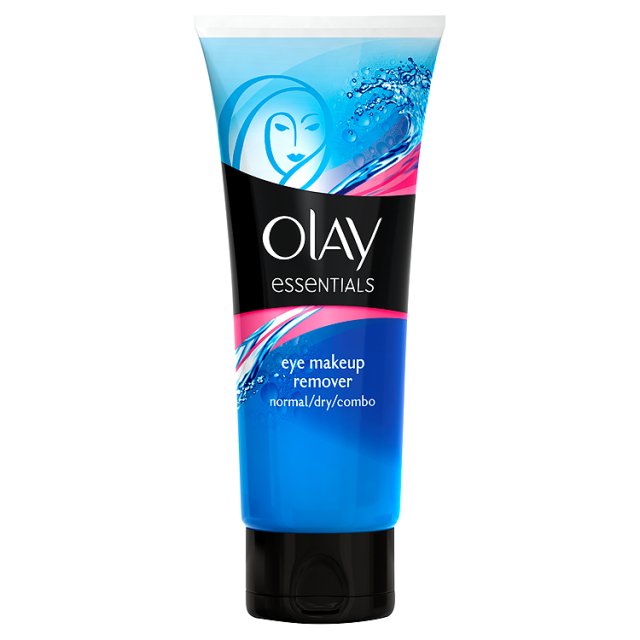
As the eye area is delicate, removing eye make up with harsh cleansers can be irritating. You can use eye makeup remover which helps remove your eye makeup, whether be waterproof or not, gently. 


Never skip this step! Cleanse your face twice a day. In the morning and in the evening. A clean face, without impurities and makeup, can breathe and renew itself better. And it is the way to flawless beautiful skin.


Monday, September 24, 2012

Retinoids, Vitamin C and Glycolic Acid: How to Combine Anti-aging Products


Combining Different Antiaging Products


Tretinoin (retinoic acid) and Glycolic acid (AHA) are both powerful anti-aging skin care ingredients that make very noticeable improvements in the appearance of the skin by:
  • Lighten age spots
  • Smooth and exfoliate the skin giving it a more luminous character
  • Work to reverse wrinkles by building new collagen just underneath the surface of the skin.

The ultimate anti aging skin care product combination is to use both of these and throw in a strong professional level vitamin C product every 4th day. Each of these ingredients works to rejuvenate the skin by a different mechanism, and thus combination therapy yields more age reversal that using just one alone.


Unfortunately, all these highly effective anti-aging ingredients are irritating.  Only people with really tolerant skin can combine tretinoin and glycolic acid therapy.  People with sensitive skin  have to pick either tretinoin OR glycolic acid.  People who can’t tolerate using tretinoin with glycolic acid can sometimes tolerate using just one of these ingredient with a topical vitamin C product.  This is because the vitamin C is not exfoliating.  Vitamin C is, however, irritating to exfoliated skin so it is still a little tricky.


The reason that it’s tricky to combine these wonderful and effective anti aging ingredients is that the glycolic acid and the tretinoin are both very exfoliating.  Exfoliated skin has a more refined and luminous appearance, but also  absorbs things faster.  Because the glycolic acid and the vitamin C both have an acid pH, they can be irritating to exfoliated skin.  In addition, tretinoin causes a ‘break in’ rash when a person first starts using it.  The skin adjusts in about a month and the rash typically goes away, but skin with retinoid rash gets really irritated from the acid pH of the glycolic acid or the vitamin C products.


GOLDEN TIP

When people want to try to combine anti-aging home therapy, the best way is to start on the tretinoin at night for at least 2 months. When the skin has adjusted to the tretinoin, add professional level glycolic acid during the day.
When the combination is tolerated and can be applied every day, then throw in the vitamin c serum.

To help the skin tolerate this powerful anti aging treatment, it is better to add an antioxidant cream.
Antioxidant Creams


Of course, any exfoliating anti aging treatment means that a person MUST wear a 5% or more microsized zinc oxide sunscreen every day, all year, regardless of their planned activities.  Because exfoliated skin allows more damaging sun rays to enter the skin, it is better to wear hat and try to keep the face out of direct sunlight as much as possible.  This is important for skin cancer prevention, and it’s also critical for "anti-aging skin rejuvenation" to be effective.


The combo anti-aging skincare regimen is:

Morning
  1. Wash with a gentle cleanser 
  2. Hydrating Antioxidant cream
  3. Glycolic acid product or vitamin c serum
  4. Moisturizer if needed (eg. A Daily Moisturizing Face Cream)
  5. Sunscreen
Night time
  1. Wash with a gentle cleanser as above
  2. Hydrating Antioxidant Cream
  3. Daily Moisturizing Face Cream of choice if needed
  4. Wait 15 minutes then Tretinoin (begin every 3rd night and gradually work up to every night)


If a person cannot tolerate both tretinoin and glycolic home therapy, then they can combine tretinoin at night, Vitamin C Serum during the day and have occasional glycolic acid peels done carefully by a skin care professional.  


WARNING: The exfoliation achieved with tretinoin makes the peels tricky and the skin care professional needs to be experienced with this situation.  The risk is that the peel may be go too deep and injure the skin, potentially causing scarring.  


Related Posts Plugin for WordPress, Blogger...